
NAVAL AVIATION PARTS
Naval aviation parts
for fleets at sea.
Source naval aviation parts for carrier aircraft, shipborne helicopters and shore-based maritime fleets. Send the aircraft variant, manufacturer part number or NSN and quantity so Aircrafts-Parts.com and relevant supplier partners can assess your requirement.
Start your naval aviation parts enquiry
Enter a part number or NSN and quantity to start your RFQ.
Naval Operators • MROs • Defence Procurement Teams
NAVAL PLATFORMS. PRECISE REQUIREMENTS.
Find your naval aircraft.
Define the part you need.
Aircrafts-Parts.com coordinates naval aviation parts sourcing for naval operators, maintenance organisations and defence procurement teams. From carrier-based fighters and shipborne helicopters to shore-based maritime patrol aircraft, naval aircraft spare parts must match the exact platform, installed equipment and maintenance requirement. Our supplier partners assess enquiries for engine accessories, landing gear, wheels and brakes, rotor systems, hydraulic components, electrical equipment, avionics units and consumables. Use the aircraft directory below to organise an RFQ with the manufacturer part number or NSN, aircraft variant and quantity.
Naval aviation parts procurement also requires attention to technical applicability, traceability and operating configuration. Shipboard folding equipment, carrier landing systems, corrosion-protection materials and rescue installations are not interchangeable across aircraft families. Specify acceptable condition, required records, any remaining-life criteria, delivery destination and deadline. Aircraft listings are enquiry references and do not confirm inventory, availability or access to a support programme.
Search by type
Search by aircraft
01 / AIRCRAFT CATEGORY
Carrier fighters and electronic warfare
Carrier-based aircraft need naval-variant identification. Arresting gear, landing gear, launch equipment and wing-fold systems differ by platform; a shared family name does not establish compatibility.
F/A-18A–D Hornet
Aircraft / configuration: Legacy Hornet naval variants; distinguish them from the Super Hornet.
Typical maintenance spare parts and enquiry references:
- F404 engine accessories, fuel and oil filters, ignition equipment and starters.
- Wheels, tyres, brakes, hydraulic pumps, actuators, seals and bearings.
- Wing-fold and arresting-hook components, avionics LRUs and electrical generators, subject to exact configuration.
F/A-18E/F Super Hornet
Aircraft / configuration: Single-seat E and two-seat F variants.
Typical maintenance spare parts and enquiry references:
- F414 engine accessories, filters, fuel controls and starters.
- Carrier landing-gear components, wheels and brakes, hydraulic pumps and flight-control actuators.
- Wing-fold mechanisms, arresting-hook components, electrical power equipment and applicable avionics LRUs.
EA-18G Growler
Aircraft / configuration: Electronic-warfare aircraft based on the Super Hornet airframe.
Typical maintenance spare parts and enquiry references:
- F414 accessories, filters, seals, wheels and brakes, pumps, actuators and generators.
- Airframe maintenance spares must be matched to EA-18G effectivity.
- Electronic-warfare equipment and mission-system units are separate specialist enquiries; shared airframe ancestry does not imply interchangeability.
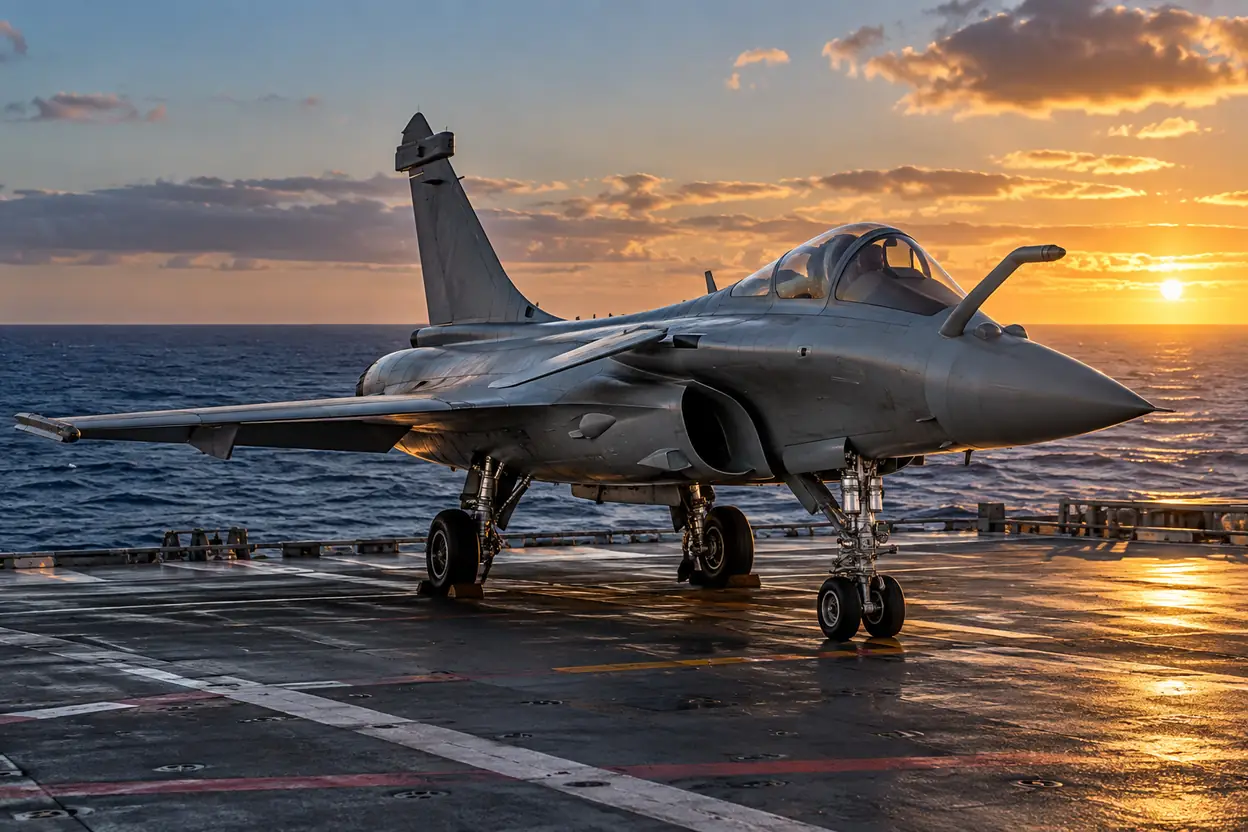
Dassault Rafale M
Aircraft / configuration: Carrier-capable Rafale M; distinguish from Rafale B and C.
Typical maintenance spare parts and enquiry references:
- M88 engine accessories, fuel-system components, ignition equipment, filters and seals.
- Naval landing-gear components, wheels and brakes, hydraulic pumps, actuators and arresting-hook equipment.
- Electrical generators, environmental-control parts and applicable avionics units. Do not assume a wing-fold system: Rafale M has fixed wings.
F-35B / F-35C Lightning II
Aircraft / configuration: F-35B short-take-off/vertical-landing and F-35C carrier variants; exclude F-35A from this naval group.
Typical maintenance spare parts and enquiry references:
- Filters, seals, wheels and brakes, batteries, actuators and configuration-specific power and environmental-control components.
- F-35C naval landing gear, arresting equipment and wing-fold components are not F-35B parts.
- F135 material, F-35B lift-system components and mission equipment require a confirmed programme-specific support route. Listings do not imply programme inventory access.
02 / AIRCRAFT CATEGORY
Shipborne helicopters and maritime lift
Identify the exact naval helicopter model, rotor installation, transmission and shipboard modifications. Folding systems, rescue equipment and mission installations are configuration-specific.
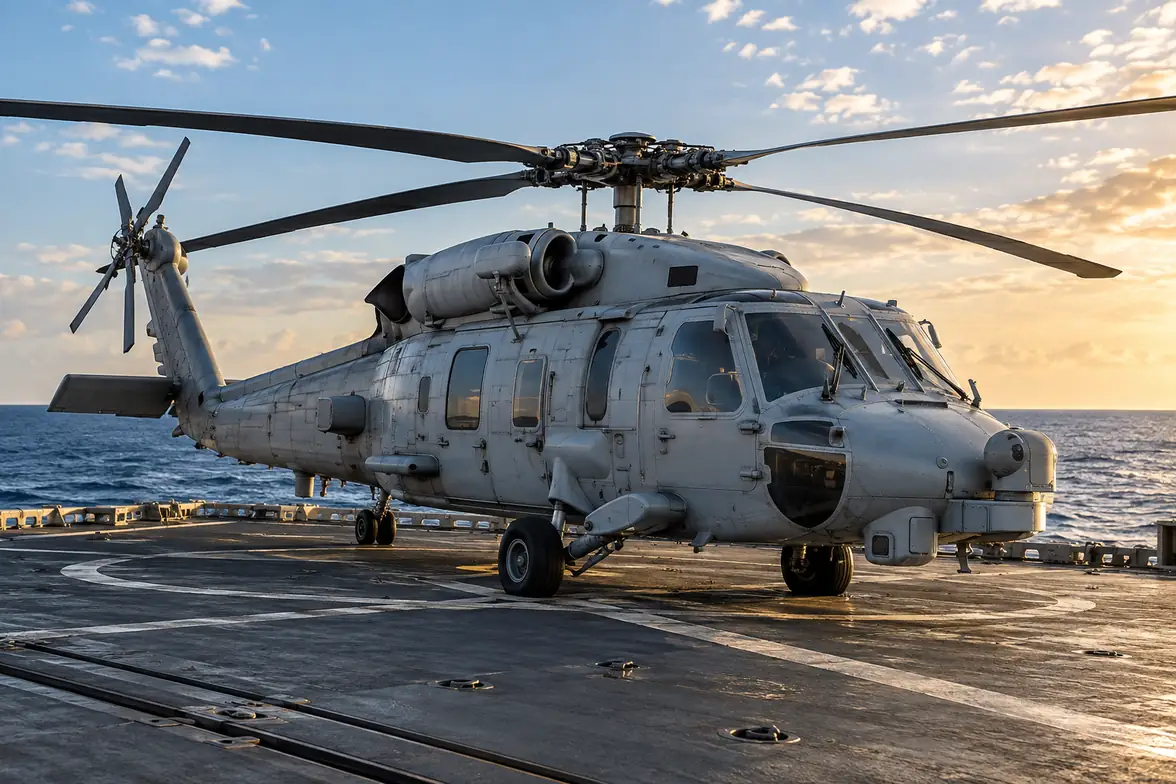
MH-60R Seahawk
Aircraft / configuration: Maritime Seahawk variant.
Typical maintenance spare parts and enquiry references:
- T700 engine accessories, filters, fuel controls and starters.
- Main/tail rotor components, pitch links, bearings, dampers, transmission components and seals.
- Wheels and brakes, hydraulic pumps and servos, rotor-fold equipment, generators and rescue-hoist components where fitted.
MH-60S Seahawk
Aircraft / configuration: Naval utility and combat-support Seahawk variant.
Typical maintenance spare parts and enquiry references:
- Engine accessories, filters, seals, hydraulic pumps, actuators and electrical equipment.
- Main/tail rotor blades and hubs, transmission components, driveshafts and bearings.
- Landing gear, cargo-hook, rescue-hoist and folding-system parts by fitted configuration. MH-60R mission components are not automatically applicable.
SH-60B / SH-60F Seahawk
Aircraft / configuration: Legacy naval Seahawk variants; identify operator and modification standard.
Typical maintenance spare parts and enquiry references:
- Engine accessories, rotor and transmission components, pumps and electrical units.
- Filters, seals, bearings, landing-gear items and helicopter-specific consumables.
- Variant-specific folding, rescue and avionics components; legacy support is assessed individually.
AW101 / Merlin naval variants
Aircraft / configuration: Merlin Mk2, naval AW101 configurations and Merlin Mk4/Mk4A maritime lift variants, identified separately.
Typical maintenance spare parts and enquiry references:
- Engine accessories, filters, fuel-system items and starters matched to the installed engine.
- Rotor blades, hubs, pitch-control items, bearings, transmissions and driveshaft components.
- Rotor/tail-fold equipment where installed, hydraulic servos, landing gear, generators and hoist or cargo equipment. Mission systems are separate enquiries.
NH90 NFH
Aircraft / configuration: NATO Frigate Helicopter naval configuration, distinct from NH90 TTH.
Typical maintenance spare parts and enquiry references:
- Installed-engine accessories, filters, fuel and oil system components.
- Rotor, transmission, hydraulic actuator and electrical equipment requirements.
- Naval folding-system, landing-gear, rescue-hoist and configuration-specific avionics references. Specify operator and modification standard.
AW159 Wildcat / naval Lynx
Aircraft / configuration: AW159 maritime configurations and legacy naval Lynx variants, identified separately.
Typical maintenance spare parts and enquiry references:
- Engine accessories, filters, seals, bearings and starter-generator requirements.
- Rotor blades and hub items, transmission components, hydraulic servos and landing-gear parts.
- Folding, rescue and avionics equipment by installation. AW159 and legacy Lynx components are not presumed interchangeable.
03 / AIRCRAFT CATEGORY
Maritime patrol and surveillance
Naval aviation includes shore-based maritime patrol aircraft. Separate common airframe and engine maintenance spares from operator-specific surveillance and mission equipment.
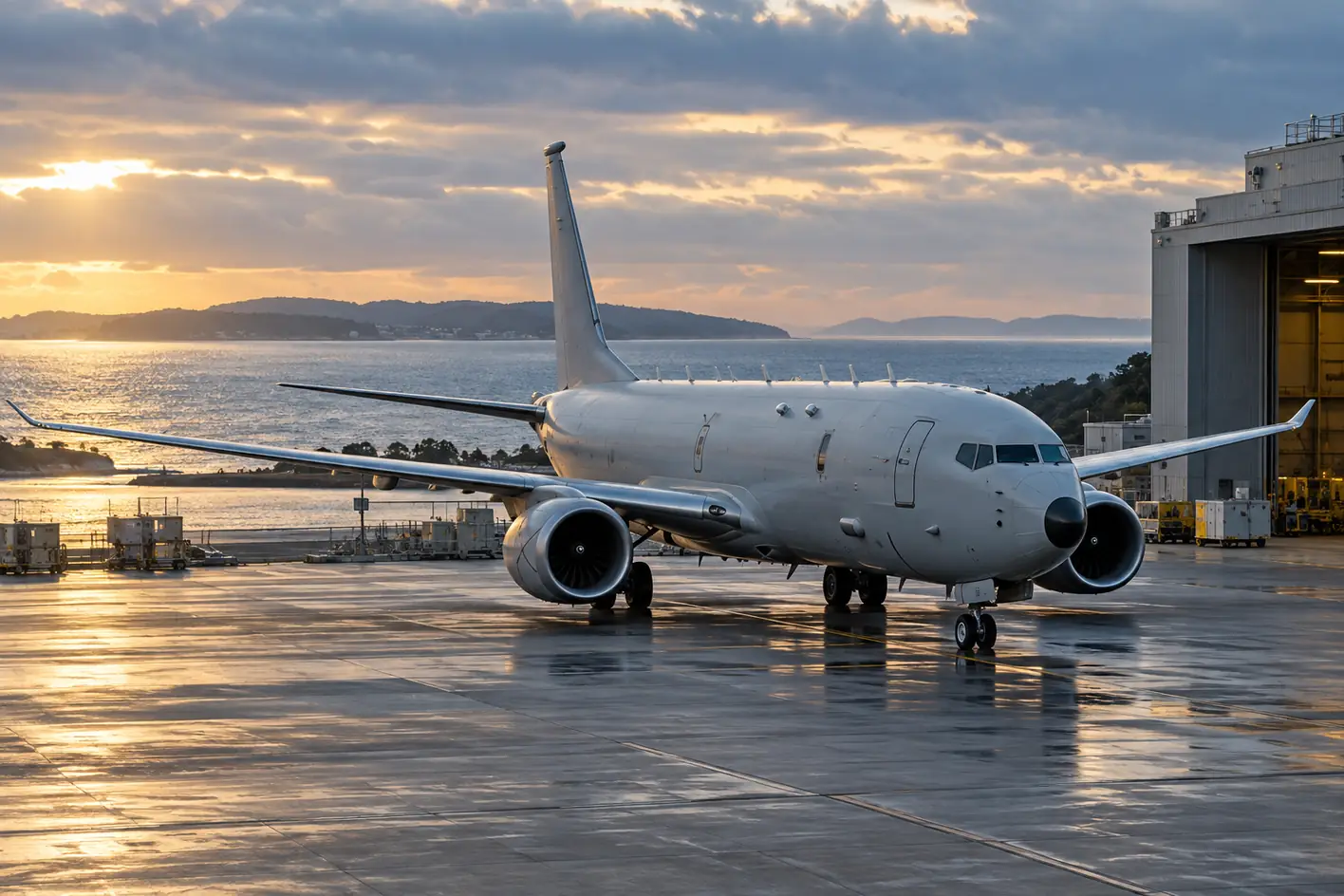
Boeing P-8 Poseidon
Aircraft / configuration: P-8A and operator-specific P-8 configurations.
Typical maintenance spare parts and enquiry references:
- CFM56-7B engine accessories, fuel controls, filters, starters and generators.
- Wheels, tyres, brakes, hydraulic pumps, actuators, environmental-control and APU components.
- Airframe and avionics units by P-8 effectivity. Boeing 737 ancestry does not confirm civil-part eligibility; mission equipment is assessed separately.
Lockheed P-3 Orion
Aircraft / configuration: P-3 maritime patrol variants and modification standards.
Typical maintenance spare parts and enquiry references:
- T56 engine accessories, filters, fuel controls and starters.
- Propeller blades, hubs, pitch-control components, gearboxes and generators.
- Landing gear, wheels and brakes, hydraulic pumps, actuators, environmental-control and airframe repair items. Mission installations require their own identification.
ATR 42 / ATR 72 maritime variants
Aircraft / configuration: Maritime patrol and surveillance derivatives, including ATR 72MP; specify exact derivative.
Typical maintenance spare parts and enquiry references:
- Installed PW100-family engine accessories, filters, fuel-system parts and starters.
- Propeller blades, hubs and controls; wheels and brakes, landing-gear components and generators.
- Hydraulic, environmental-control, avionics and mission-system requirements matched to the maritime modification, not just the civil airframe family.
Airbus C295 MPA / CN235 maritime variants
Aircraft / configuration: C295 and CN235 maritime patrol configurations, listed distinctly in each RFQ.
Typical maintenance spare parts and enquiry references:
- Engine accessories, fuel and oil filters, starters and electrical generators.
- Propeller, landing-gear, wheel and brake components; pumps, valves and actuators.
- Environmental-control and avionics parts by variant. Maritime mission equipment and modification kits require separate assessment.
04 / AIRCRAFT CATEGORY
Carrier airborne early warning
Carrier airborne early-warning aircraft combine specialised mission systems with conventional airframe, propulsion and landing-gear maintenance needs.
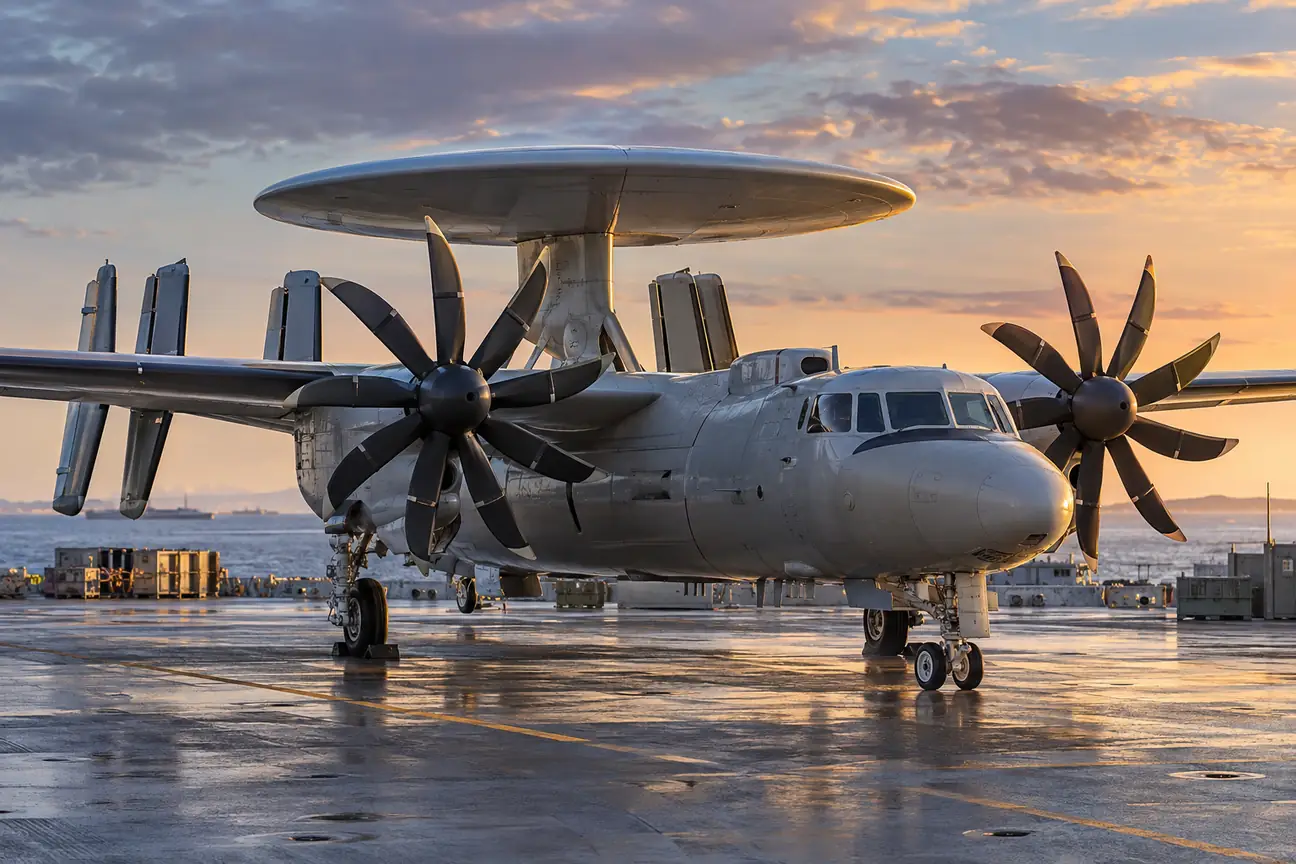
E-2C / E-2D Hawkeye
Aircraft / configuration: Identify E-2C or E-2D and the installed propeller and avionics standard.
Typical maintenance spare parts and enquiry references:
- Engine accessories, filters, fuel-system components and starters.
- Installed propeller blades, hubs and controls; gearboxes, generators, wheels and brakes.
- Wing-fold, landing-gear, hydraulic and arresting-system items by variant. Radar, rotodome and mission-electronics requirements are separate specialist enquiries.
05 / AIRCRAFT CATEGORY
Naval logistics and carrier delivery
Distinguish aircraft that deliver directly to carriers from shore-based naval transport fleets. Cargo, ramp and folding equipment depends on the individual aircraft.
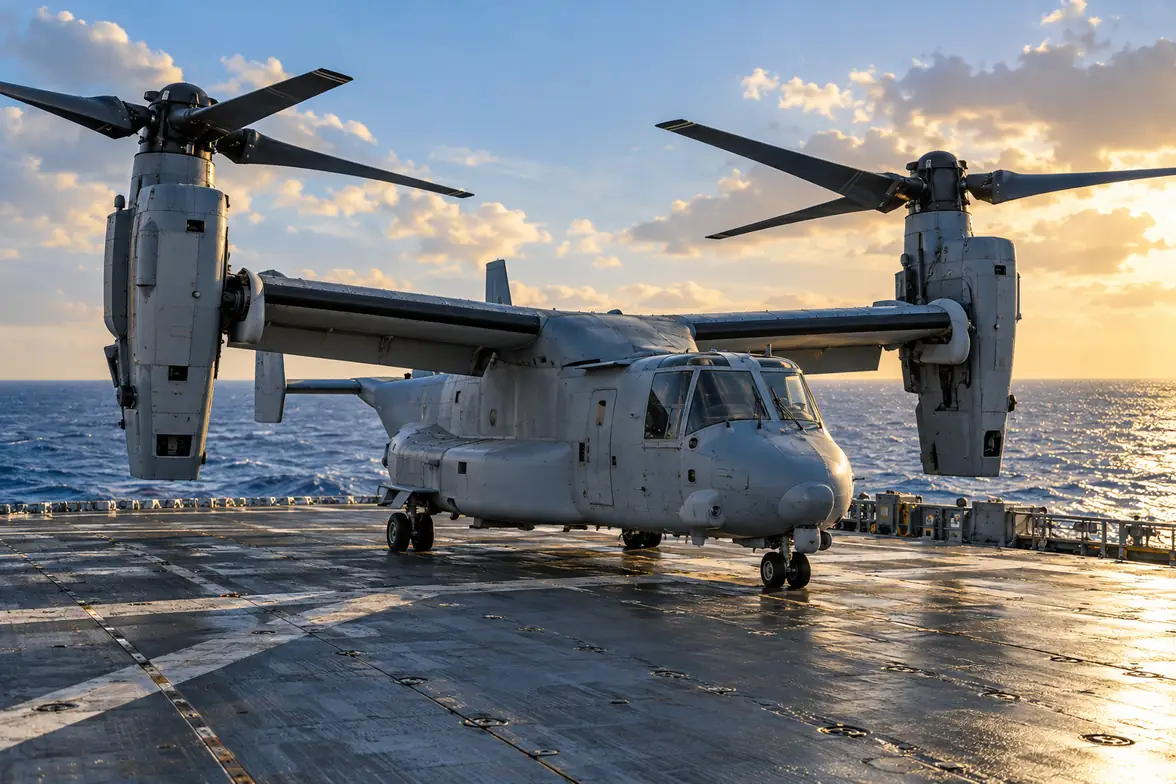
CMV-22B Osprey
Aircraft / configuration: Carrier onboard-delivery tiltrotor; distinguish from MV-22B and CV-22B.
Typical maintenance spare parts and enquiry references:
- Engine accessories, filters, seals, bearings and electrical equipment.
- Proprotor, transmission, driveshaft, hydraulic actuator and tilt-system component enquiries.
- Blade-fold/wing-stow, landing-gear and cargo-system requirements by CMV-22B configuration. Major drivetrain assemblies need complete identification and records.
C-2A Greyhound
Aircraft / configuration: Legacy carrier onboard-delivery aircraft; configuration-specific support.
Typical maintenance spare parts and enquiry references:
- Engine accessories, filters, propeller components and controls.
- Landing gear, wheels and brakes, hydraulic pumps, actuators and generators.
- Wing-fold, arresting equipment and cargo-ramp components. Availability and the relevant legacy support route are assessed individually.
Naval C-130 / KC-130 configurations
Aircraft / configuration: Naval-service C-130 and KC-130 variants; identify legacy or J-model configuration.
Typical maintenance spare parts and enquiry references:
- T56 or AE2100-family accessories according to the installed engine; filters, fuel-system items and starters.
- Installed propeller and control components, wheels and brakes, hydraulic pumps and generators.
- Cargo-ramp, door, airframe and environmental-control requirements; tanker-specific systems are assessed separately. These are shore-based fleet support aircraft, not carrier-landing aircraft.
06 / AIRCRAFT CATEGORY
Naval aviation training aircraft
Training aircraft support the naval aviation pipeline. Only aircraft designed for carrier operations should be treated as carrier-capable; other trainers operate from shore bases.
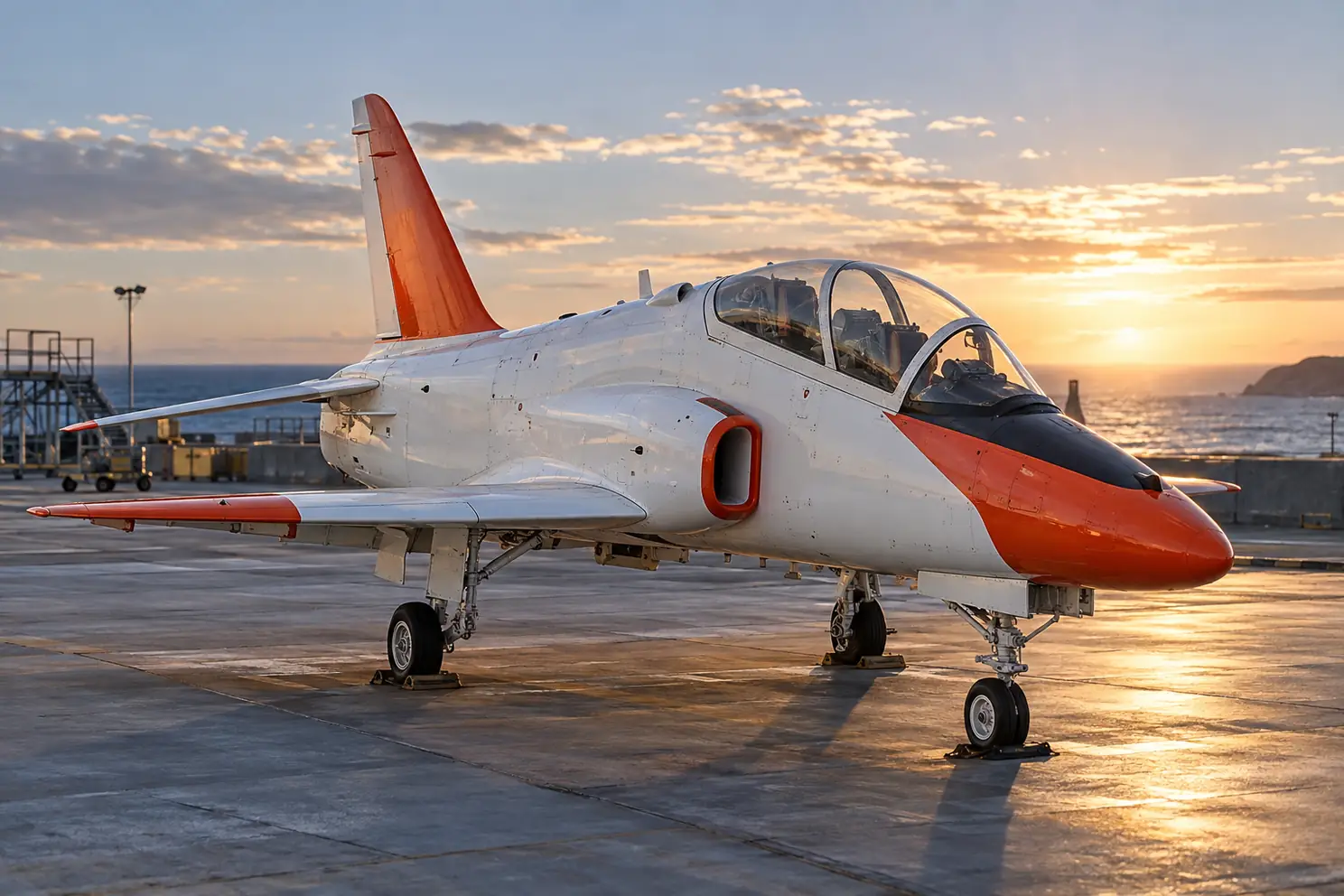
T-45 Goshawk
Aircraft / configuration: Carrier-capable naval jet trainer.
Typical maintenance spare parts and enquiry references:
- Engine accessories, filters, fuel-system components and starters.
- Wheels and brakes, landing-gear seals, hydraulic pumps and flight-control actuators.
- Arresting-system, cockpit display, electrical and environmental-control items by exact modification standard.
T-6 Texan II naval training variants
Aircraft / configuration: Shore-based turboprop training configurations; identify variant.
Typical maintenance spare parts and enquiry references:
- PT6A engine accessories, filters, fuel controls and starters.
- Propeller blades, hubs and governors; wheels, brakes and landing-gear parts.
- Electrical, hydraulic and avionics requirements by exact configuration. T-6 Texan II is not the historical North American T-6.
TH-73A Thrasher
Aircraft / configuration: Shore-based naval helicopter trainer derived from Leonardo TH-119.
Typical maintenance spare parts and enquiry references:
- Engine accessories, filters, seals and electrical components.
- Main/tail rotor, transmission, bearings and pitch-control items.
- Landing-gear/skid, hydraulic and avionics requirements matched to TH-73A technical data; commercial ancestry does not establish interchangeability.
07 / AIRCRAFT CATEGORY
Russian and Chinese naval aircraft
These naval aircraft are listed as enquiry references only. Each part requirement, supply route and supporting records must be assessed individually.
MiG-29K / MiG-29KUB
Aircraft / configuration: Carrier-based naval variants, not the land-based MiG-29 family.
Typical maintenance spare parts and enquiry references:
- Configuration-specific engine accessories, filters, seals and fuel-system components.
- Naval landing gear, wheels and brakes, hydraulic actuators, wing-fold and arresting equipment.
- Provide exact manufacturer part number or NSN, variant, condition and required records. Listing does not confirm availability.
Sukhoi Su-33
Aircraft / configuration: Naval carrier variant; do not infer compatibility with other Flanker aircraft.
Typical maintenance spare parts and enquiry references:
- Engine accessories, filters, seals, pumps and electrical equipment by installed configuration.
- Landing gear, brakes, folding mechanisms and arresting-hook requirements.
- Exact part identity and a relevant supply route must be confirmed individually; no availability is implied.
Shenyang J-15 naval variants
Aircraft / configuration: Identify the precise J-15 variant and modification standard.
Typical maintenance spare parts and enquiry references:
- Manufacturer-identified engine, hydraulic, electrical and airframe maintenance requirements.
- Wheels and brakes, filters, seals, actuators and naval folding/arresting equipment by configuration.
- Component descriptions are enquiry categories only; listing does not confirm availability or partner capability.
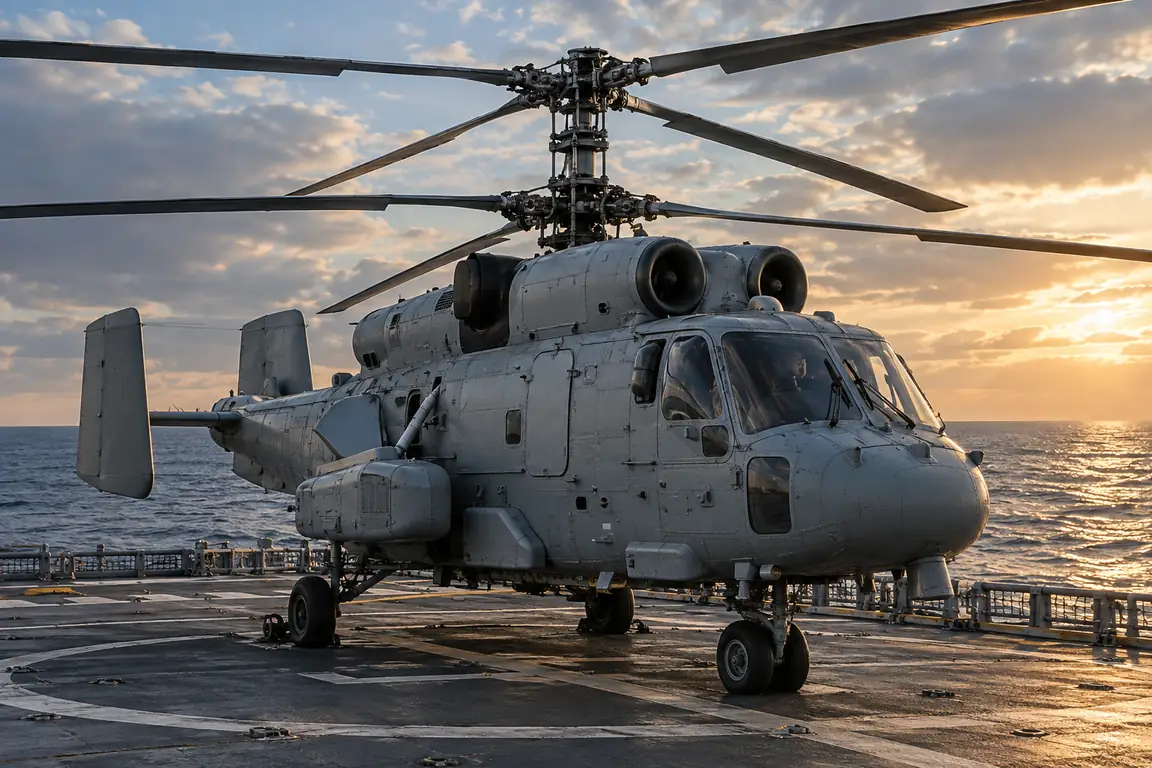
Kamov Ka-27 / Ka-28
Aircraft / configuration: Naval coaxial-rotor helicopter variants, identified separately.
Typical maintenance spare parts and enquiry references:
- Installed-engine accessories, filters, fuel-system and electrical component enquiries.
- Coaxial rotor blades, hubs, transmission components, bearings and hydraulic equipment.
- Folding, landing-gear and mission-equipment parts by exact configuration. Supply capability and availability are not confirmed by this listing.
Harbin Z-9 naval variants
Aircraft / configuration: Shipborne naval Z-9 configuration identified in the RFQ.
Typical maintenance spare parts and enquiry references:
- Manufacturer-identified engine accessories, filters, seals, pumps and electrical equipment.
- Rotor, transmission, hydraulic and landing-gear components by fitted configuration.
- Do not infer eligibility from related helicopter designs. Every supply route and part requirement requires an individual assessment.
SPARES FOR MARITIME OPERATIONS
Naval aviation parts
by system and component.
Start with routine maintenance spares, then identify any naval-specific assemblies or mission equipment separately. Eligibility follows the exact part number, aircraft effectivity and modification standard; marine exposure does not justify unapproved component substitutions.
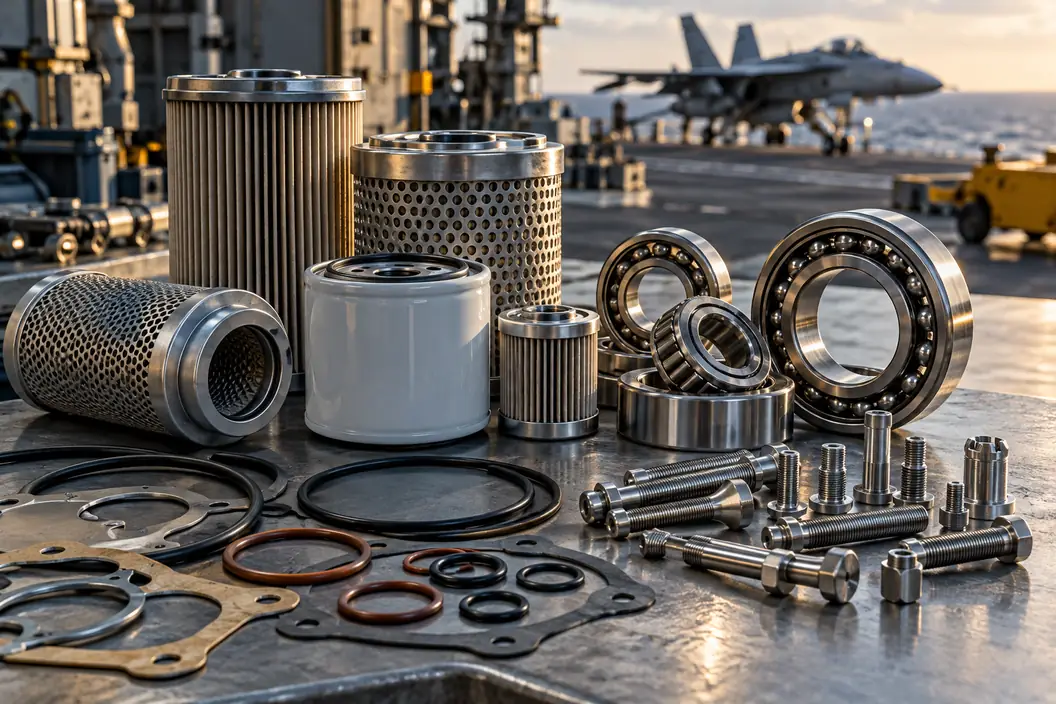
Filters, seals and standard hardware
Oil, fuel, hydraulic and air filters; O-rings, gaskets, bearings, bushings and specification-matched aircraft fasteners. Identify part numbers, required quantity, batch traceability, shelf life and packaging. Approved corrosion-protection materials and sealants need their exact technical specification.
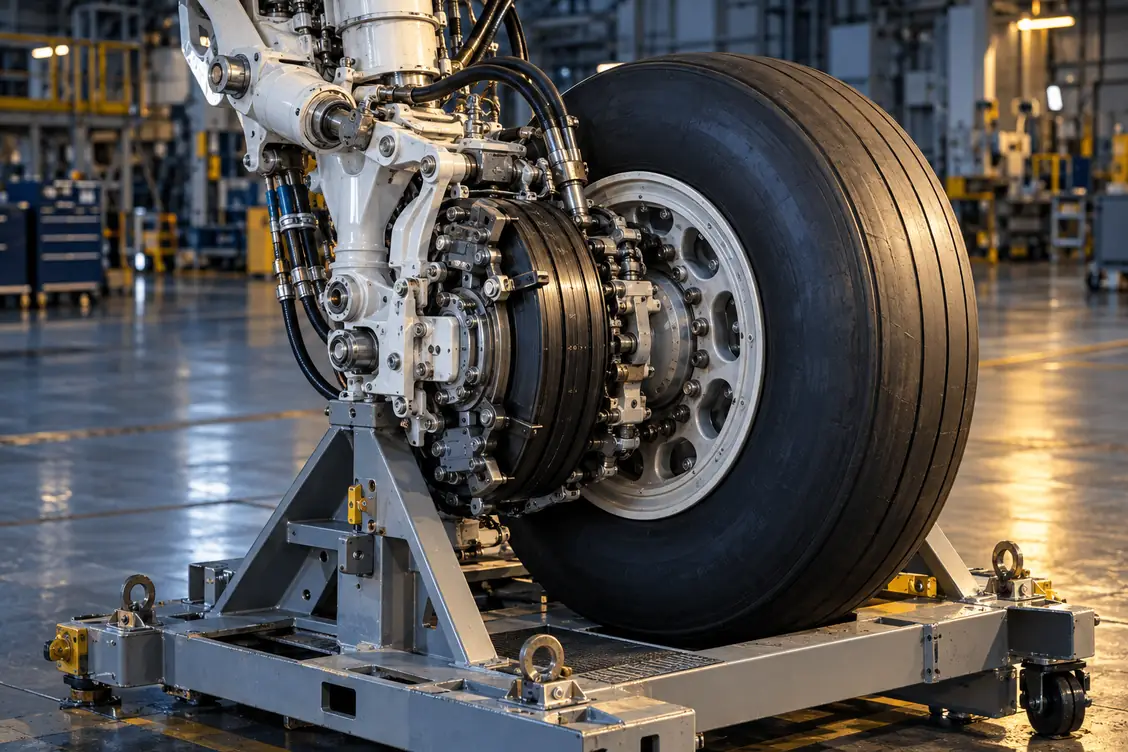
Landing gear, wheels and brakes
Tyres, wheel hubs, brake assemblies, seals, bearings, steering actuators and landing-gear components. Carrier-specific equipment must match the exact naval aircraft variant. Arresting and launch equipment are separate, configuration-specific enquiries.
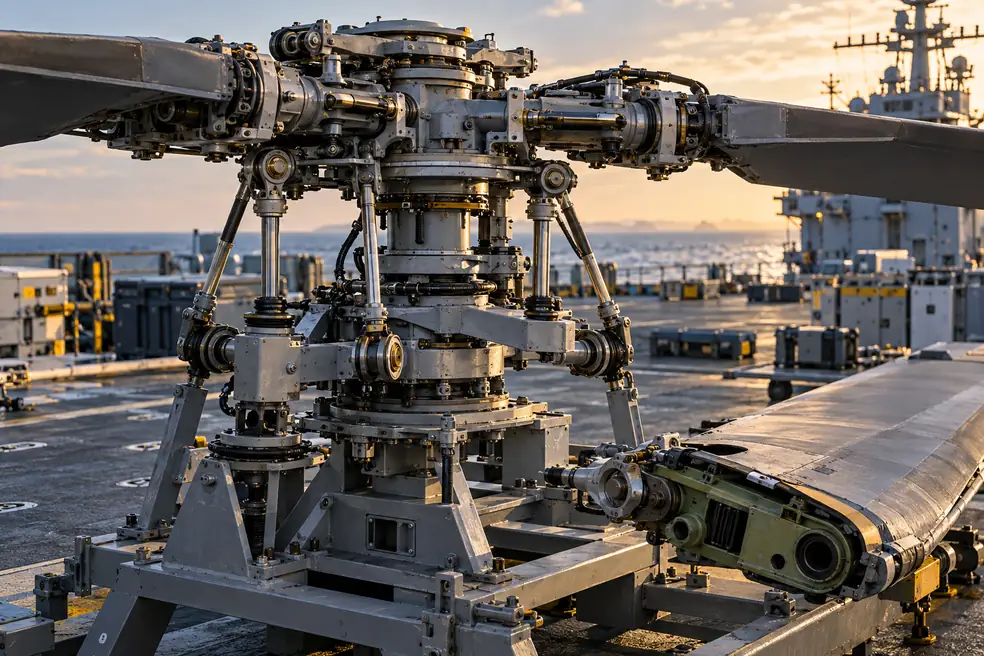
Rotors, propellers and drivetrain
Main and tail rotor blades, hubs, pitch links, dampers, bearings, transmissions, driveshafts and propeller-control items. Identify fitted assemblies, life limits and modification status. Rotor-fold, tail-fold and tiltrotor systems are not universal across naval platforms.
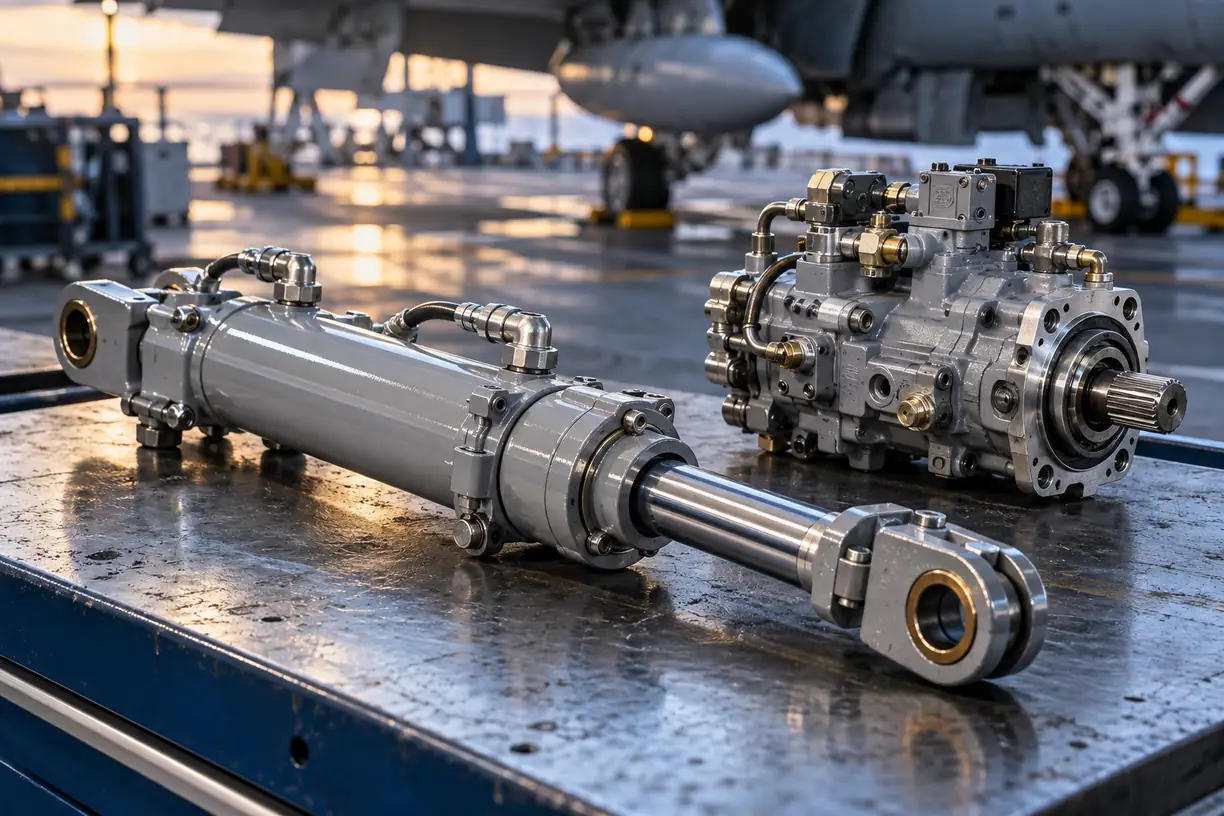
Hydraulics, actuators and fuel systems
Hydraulic pumps, valves, accumulators, hoses, filters, flight-control actuators and fuel-system components. Include precise part identity and configuration for folding mechanisms, cargo ramps, rescue installations and shipboard equipment.
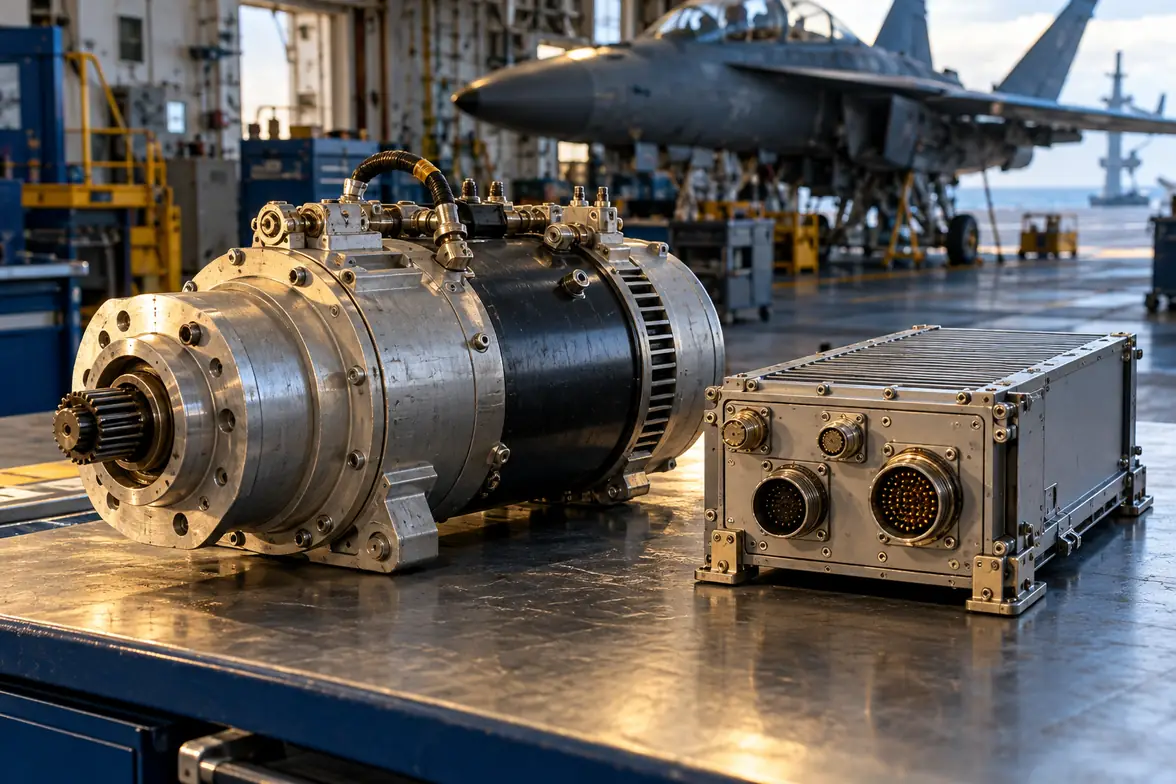
Electrical power and avionics units
Starters, generators, starter-generators, batteries, control units, connectors and applicable avionics LRUs. Routine electrical and cockpit equipment is assessed separately from radar, surveillance and other mission-specific systems.
SPECIFIC EQUIPMENT. INDIVIDUAL ASSESSMENT.
Naval systems and
specialist enquiries.
Shipboard and mission equipment needs its own configuration and support-route assessment.
Carrier landing and folding equipment
Arresting-hook assemblies, naval landing-gear items, launch equipment and wing-fold mechanisms where fitted. Rafale M has fixed wings; F-35B and F-35C use different operating systems. Provide the exact aircraft variant and component part number rather than assuming family-wide compatibility.
Maritime mission and rescue systems
Surveillance and mission-electronics units, sensor interfaces, rescue-hoist and cargo-hook components. Separate routine airframe maintenance from mission-specific equipment. Exact part identity, operator modification standard and a relevant supplier route are required before an offer can be assessed.
Marine exposure and preservation
Approved corrosion-protection compounds, coatings, sealants, seals and protective covers; specification-specific packaging and preservation requirements. Identify the applicable technical specification, shelf life, batch traceability and maintenance instructions. Use only materials accepted for the individual aircraft and task.
NAVAL VARIANT MATTERS
Match the variant.
Match the installed system.
Legacy F/A-18 Hornets use F404 engines, while Super Hornets and Growlers use F414 installations. F-35B and F-35C have distinct landing and operating systems. Naval NH90 NFH equipment must not be assumed applicable to TTH aircraft, and maritime patrol derivatives can carry operator-specific modifications.
Include aircraft model, serial-number effectivity, installed engine, modification status and the component part number. For helicopter rotor and transmission enquiries, identify the fitted assembly and relevant life limits. Configuration details help distinguish routine spares from specialist programme requirements.
FROM AIRCRAFT MODEL TO PART REQUIREMENT
One naval aviation RFQ.
Four practical steps.
1
Enter the part requirement
Provide the aircraft model, variant and installed engine, manufacturer part number or NSN, description and quantity.
2
Define acceptance criteria
State acceptable condition, required records, end user, destination and deadline. Include relevant life limits and configuration details.
3
Review the proposed offer
Assess part identity, available documentation, quoted price and lead time. Clarify any alternate or exchange proposal.
4
Confirm the selected option
Complete your technical and procurement review, then agree the selected component, records and commercial terms.
THE RIGHT PART.
THE RIGHT DOCUMENTATION.
Naval aviation parts require exact identification, declared condition and the supporting records your organisation specifies. Establish technical acceptance, traceability and delivery requirements before reviewing an offer.

Identification & applicability
Manufacturer part number, platform configuration, NSN where applicable and relevant serial or batch identification.

Condition & traceability
Declared condition, available traceability and the applicable conformity or release records specified by your organisation.

Quotation & delivery terms
Quoted price, lead time, packaging and destination requirements, with exchange and core-return terms where applicable.
PRACTICAL QUESTIONS
Before requesting naval aviation parts.
Are parts interchangeable within an aircraft family?
No family-wide compatibility is implied. Eligibility depends on manufacturer part number, serial-number effectivity, aircraft variant, installed engine, equipment and modifications. Your technical team must assess any proposed alternate.
Which condition should I request?
Specify new, overhauled, repaired or used serviceable condition, the records required by your organisation and any remaining-life criteria. For exchange enquiries, include core condition and return timing.
Do these aircraft lists confirm availability?
The aircraft directory describes enquiry categories, not verified stock or confirmed programme access. Our team assesses availability, condition, documents and lead time with relevant partners for each RFQ.
What should accompany a naval aviation RFQ?
Include aircraft variant, manufacturer part number or NSN, quantity, acceptable condition, required records, end user, destination and deadline. Identify shipboard modifications, installed engine, remaining-life requirements and any exchange core details where applicable.
Tell us which
naval aviation parts you need.
Send your aircraft variant, part number or NSN and quantity. Add condition, documentation and delivery requirements so Aircrafts-Parts.com and relevant supplier partners can assess your naval aviation parts enquiry.